
Nitrogen dioxide (NO2)
What is nitrogen dioxide (NO₂)?
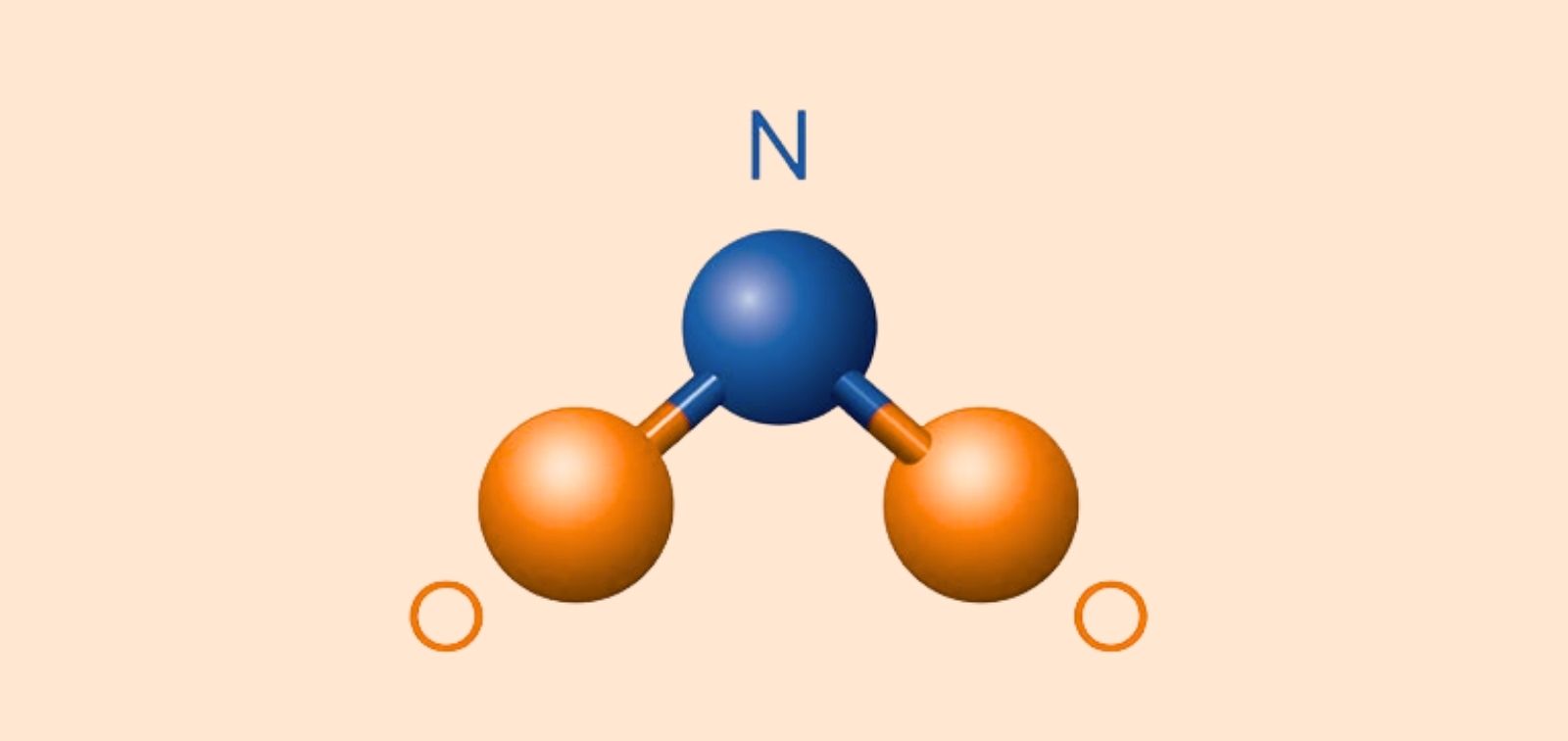
Nitrogen dioxide (NO₂) is an inorganic gas made up of one nitrogen atom and two oxygen atoms, belonging to the group of nitrogen oxides (NOx). It is an oxidising agent, a respiratory irritant, and toxic. At room temperature, it appears as a yellowish gas with a strong odour. In environmental terms, NO₂ is one of the main urban air pollutants, with direct effects on human health.
Where does nitrogen dioxide come from?
Sources of nitrogen dioxide can be natural, such as lightning during storms, volcanic eruptions, or wildfires. However, the main sources are anthropogenic, particularly the combustion of fossil fuels. During this process, nitrogen in the air reacts with oxygen at high temperatures, mainly forming nitric oxide (NO), which is later oxidised in the atmosphere to produce NO₂.
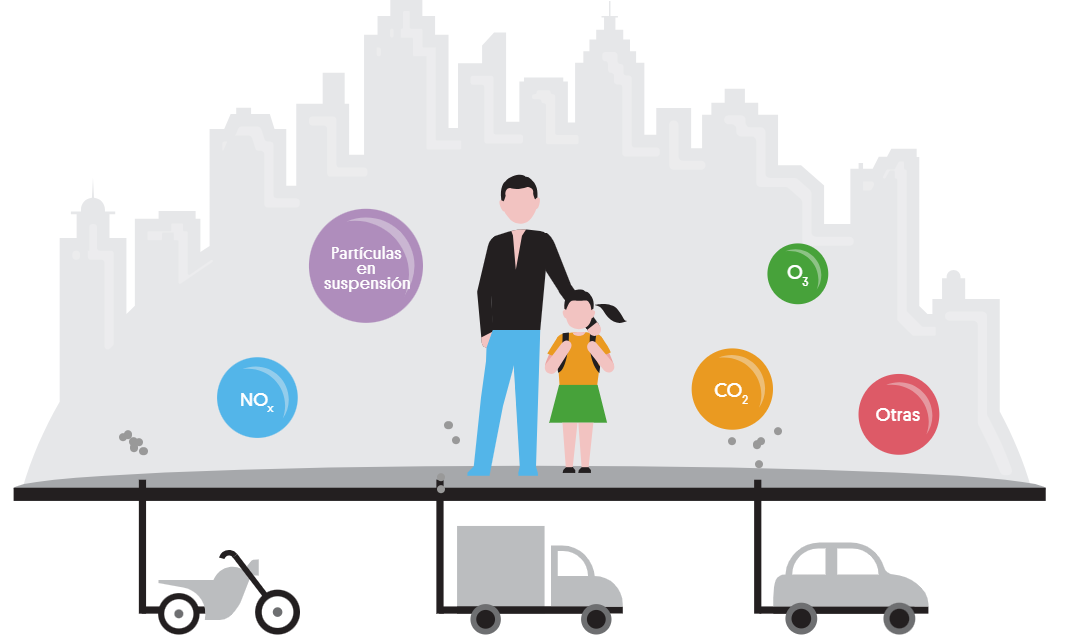
NO₂ is primarily emitted through vehicle exhausts (road traffic), especially from diesel engines. Other important sources include power plants, industrial processes, and combustion systems in buildings, as well as indoor gas appliances.
How does NO₂ behave in the atmosphere?
Nitrogen dioxide is not only a direct pollutant, but also a precursor of secondary pollutants, meaning it indirectly contributes to air quality deterioration.
In the presence of sunlight, it contributes to the formation of tropospheric ozone (O₃) and photochemical smog, a reddish haze. In addition, NO₂ can oxidise to form nitric acid (HNO₃), one of the main components of acid rain.
It also increases levels of airborne particles, particularly fine particulate matter (PM₂.₅). Nitric acid formed in the atmosphere can react with ammonia (NH₃) to produce ammonium nitrate, a key component of fine particles.
Health effects of nitrogen dioxide
As a respiratory irritant, NO₂ causes inflammation of the airways and can worsen respiratory diseases such as asthma. At high concentrations, it may reduce lung function and contribute to acute bronchitis, as well as the development or worsening of chronic conditions such as chronic obstructive pulmonary disease (COPD).
Exposure to nitrogen dioxide is also associated with increased susceptibility to respiratory infections, particularly in children and other vulnerable groups. Recent studies have linked NO₂ exposure to reduced attention capacity in children and even to biomarkers of Alzheimer’s disease.
By contributing to the formation of secondary pollutants such as tropospheric ozone and fine particulate matter (PM₂.₅), NO₂ also indirectly amplifies other adverse health effects.
NO₂ is one of the key pollutants used to assess air quality, as it serves as an indicator of traffic-related emissions, has direct health impacts, and contributes to the formation of other pollutants.
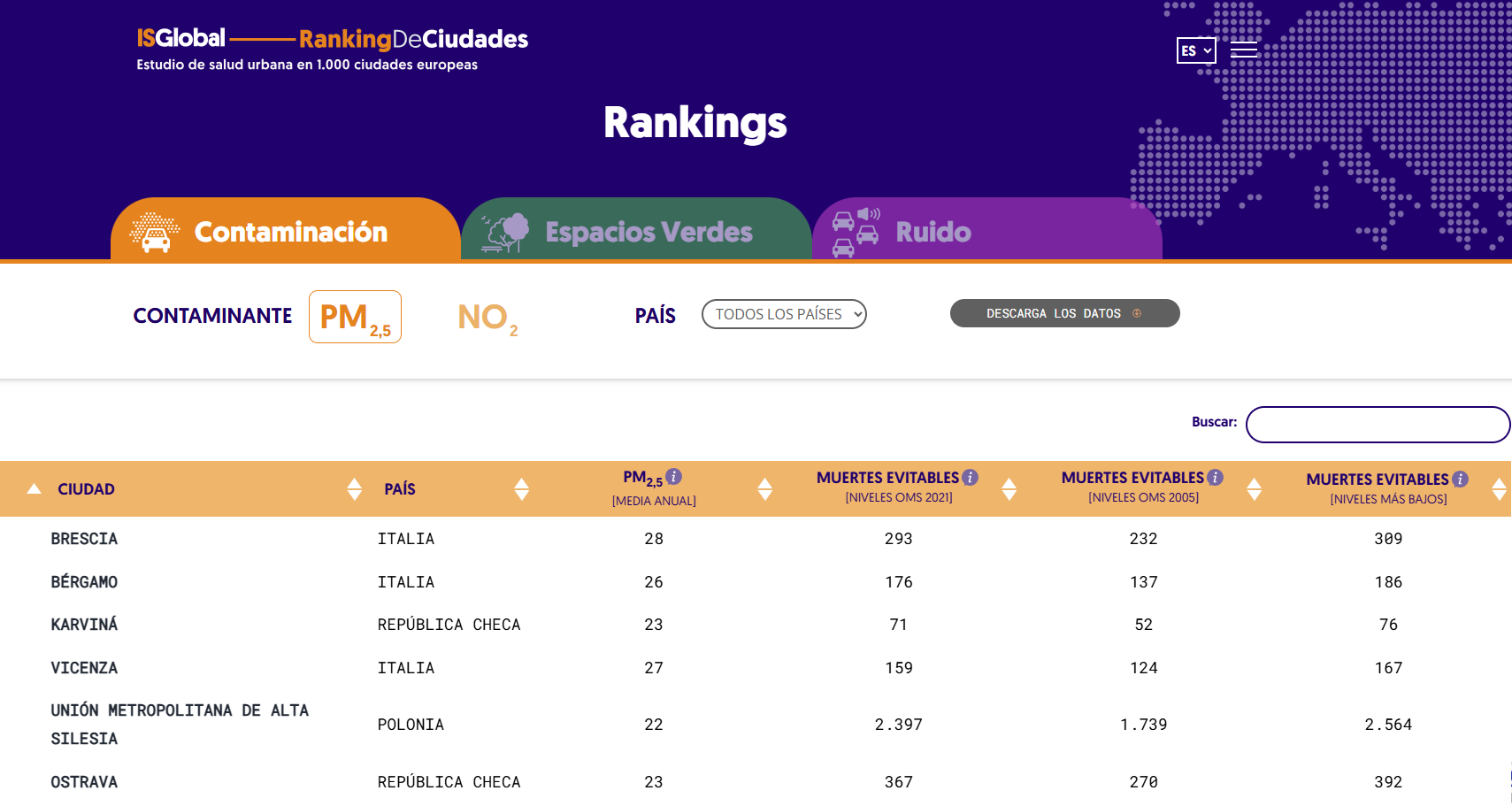
According to the ISGlobal city ranking, a significant proportion of the European population lives in cities where NO₂ levels exceed the values recommended by the World Health Organization (WHO). Reducing air pollution to these levels could prevent thousands of premature deaths each year in Europe, attributable both to NO₂ and, especially, to exposure to fine particulate matter (PM₂.₅).
READ MORE
COLLAPSE
- European Regions with the Highest Poverty Levels Are the Most Vulnerable to the Health Effects of Air Pollution(ISGlobal, 2026)
- Prenatal Exposure to Air Pollution is Associated with Lower Cognitive Performance in Early Childhood(ISGlobal, 2026)
- A Study Analyses Which Lung Cancer Subtypes Are Associated with Different Air Pollutants(ISGlobal, 2026)
- Reducing Traffic in Barcelona by 25% Would Prevent Around 200 Premature Deaths a Year Linked to Pollution(ISGlobal, 2025)
- Barcelona Passes Air Quality Test for a Second Year, but Pollution Exceeds the Limit the EU Will Set in 2030(El País, 2025)
- Air Quality in Europe Shows Significant Improvements over the Last Two Decades, Study Finds(ISGlobal, 2024)
- Transport, Domestic Activities and Agriculture are the Main Contributors to Air pollution Related Mortality in European Cities(ISGlobal, 2023)