
Cancer
What is cancer?
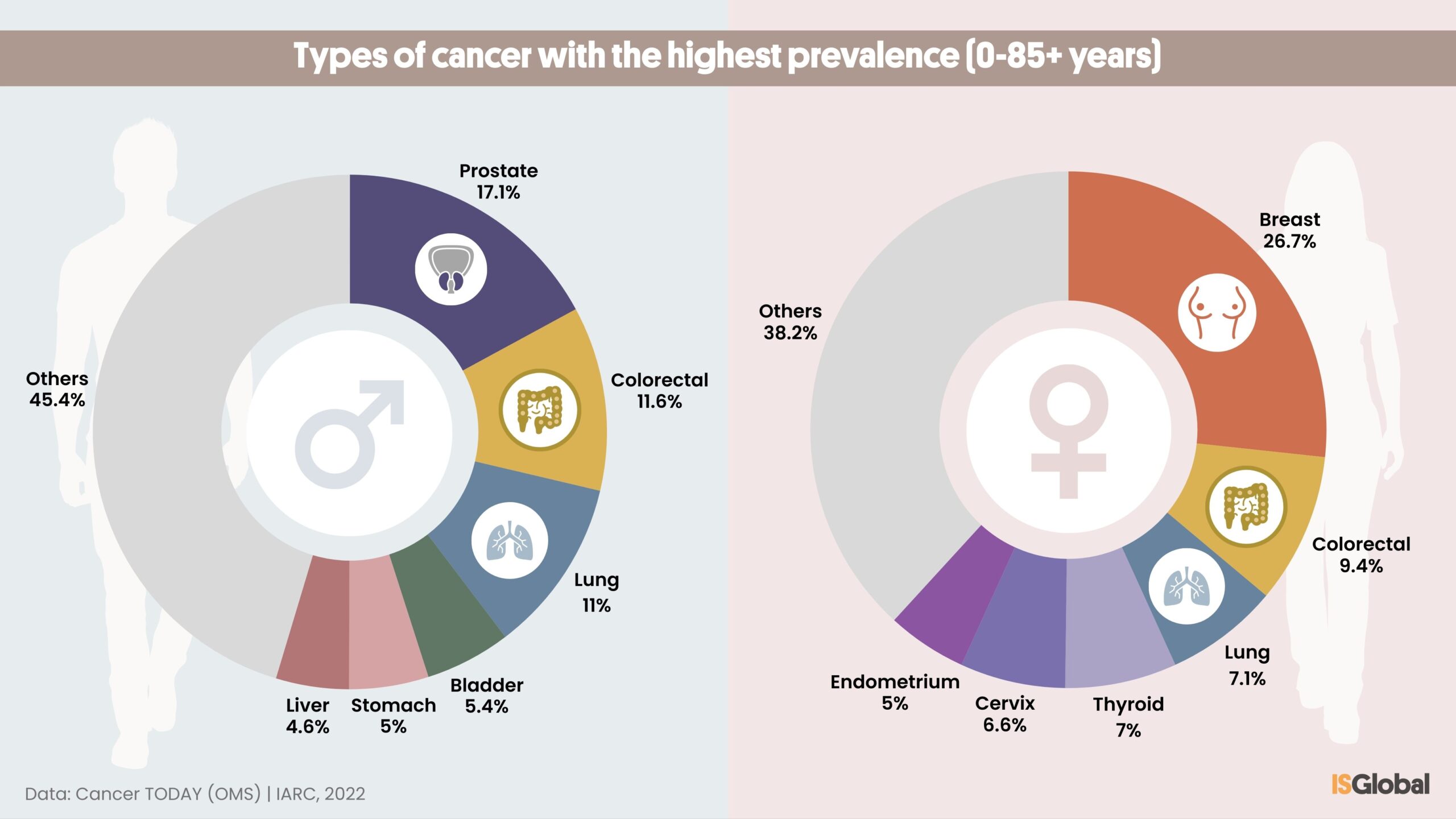
The term “cancer” refers to a group of diseases in which certain cells divide in an almost unlimited way, multiplying uncontrollably and spreading to other parts of the body. More than one hundred different types of cancer are known; among the most common are lung, breast, colorectal and prostate cancer.
How does cancer develop?
Under normal conditions, the cells in our body undergo a process of cell division, in which new cells are formed in a controlled manner. These new cells, which originate from healthy cells, replace those that die due to damage or ageing. For example, if during this process a cell develops a mutation that it cannot repair, it activates a programme of cell death or “suicide” known as apoptosis.
Cancer cells, by contrast, are cells that have accumulated alterations and have lost these control mechanisms, and therefore continue to divide. The immune system can normally recognise and eliminate them, but some cancer cells manage to “hide” from it, inhibit its function or even use it to their advantage. The uncontrolled multiplication of cancer cells can form a tumour or neoplasm, that is, a mass or “lump”. However, not all tumours are cancerous: there are malignant tumours and benign tumours.
Malignant tumours and benign tumours
Malignant or cancerous tumours often grow rapidly. They can spread to nearby tissues and even propagate to other tissues through the circulatory system and the lymphatic system, forming new tumours there. This process is known as metastasis. To continue growing, tumours can activate the formation of new blood vessels that allow them to receive more oxygen and nutrients. This mechanism is known as angiogenesis and is key in the development of cancer. If not treated in time, malignant tumours can ultimately cause death.
Benign tumours, on the other hand, are those that grow slowly, do not infiltrate neighbouring tissues or spread to other parts of the body, and usually do not recur after removal. However, they can become very large and cause serious symptoms, as is the case with some benign brain tumours.
Solid tumours and haematological tumours
Tumours can be classified as solid tumours or haematological tumours depending on the type of tissue from which they originate and how they grow and spread.
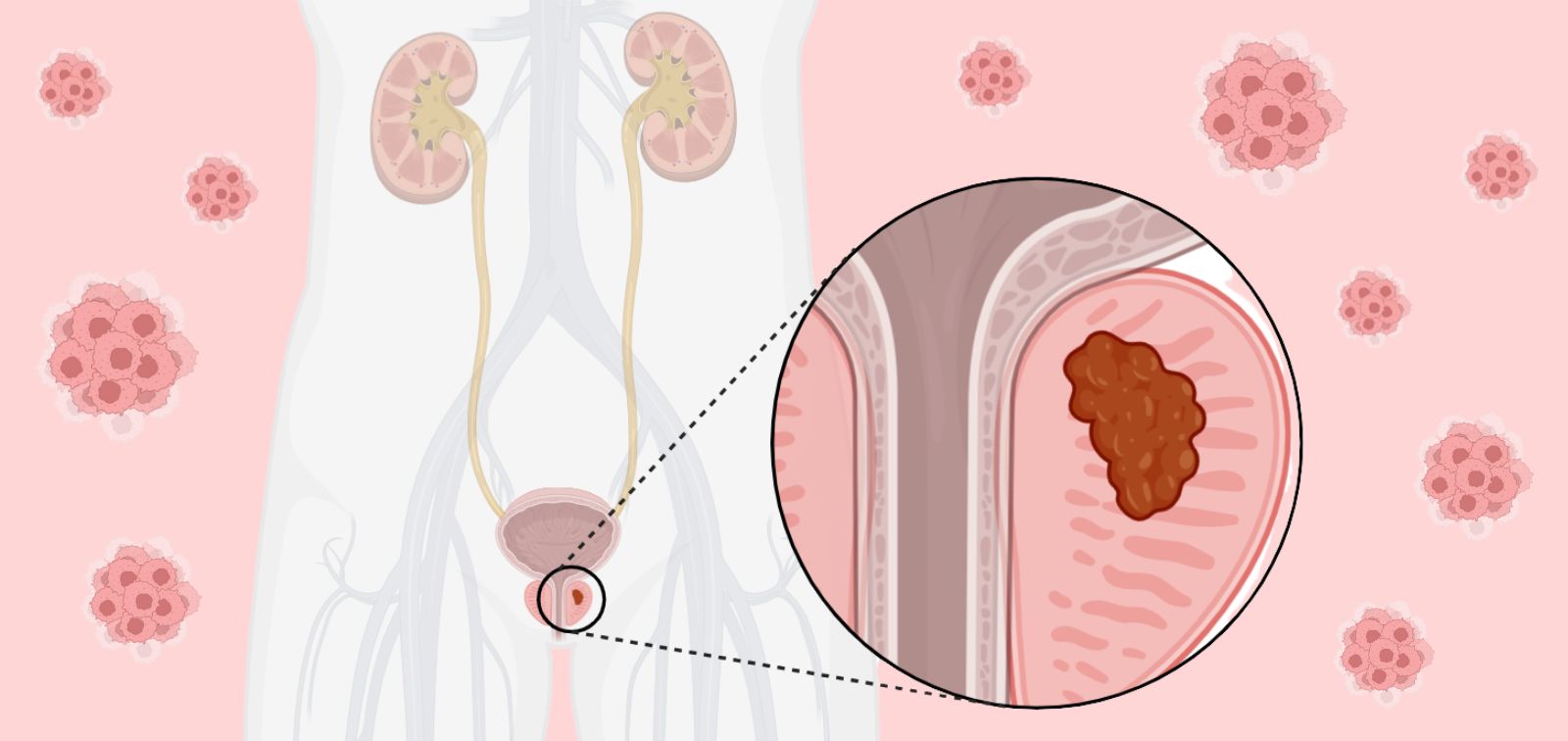
Solid tumours originate in specific organs or tissues, such as the breast, lung, colon or prostate, and are characterised by forming a visible and localised mass. Within this group, the main types are carcinomas, which arise from epithelial tissues, and sarcomas, which originate from connective tissue, such as bone, muscle or cartilage.
Haematological tumours arise from cells of the blood or the lymphatic system and include leukaemias, lymphomas and myelomas. Unlike solid tumours, these do not usually form a single mass initially, but rather affect the bone marrow, blood or lymph nodes in a diffuse manner, spreading from early stages through the bloodstream or the lymphatic system.
The causes of cancer: genetics, environment and their interaction
Cancer does not have a single cause. In most cases, it is the result of a combination of genetic and environmental factors that act throughout life and influence the normal functioning of cells.
All people have individual genetic differences that may make them more or less vulnerable to cancer, but this does not mean that cancer is genetically determined. In the vast majority of cases, these genetic differences influence risk but are not sufficient on their own to cause the disease. For example, inherited mutations in genes such as BRCA1/BRCA2 increase the risk of breast and ovarian cancer. Although they are not the main cause of cancer in adults, genetic predisposition plays an important role in childhood cancer, particularly random genetic mutations that occur during fetal development.
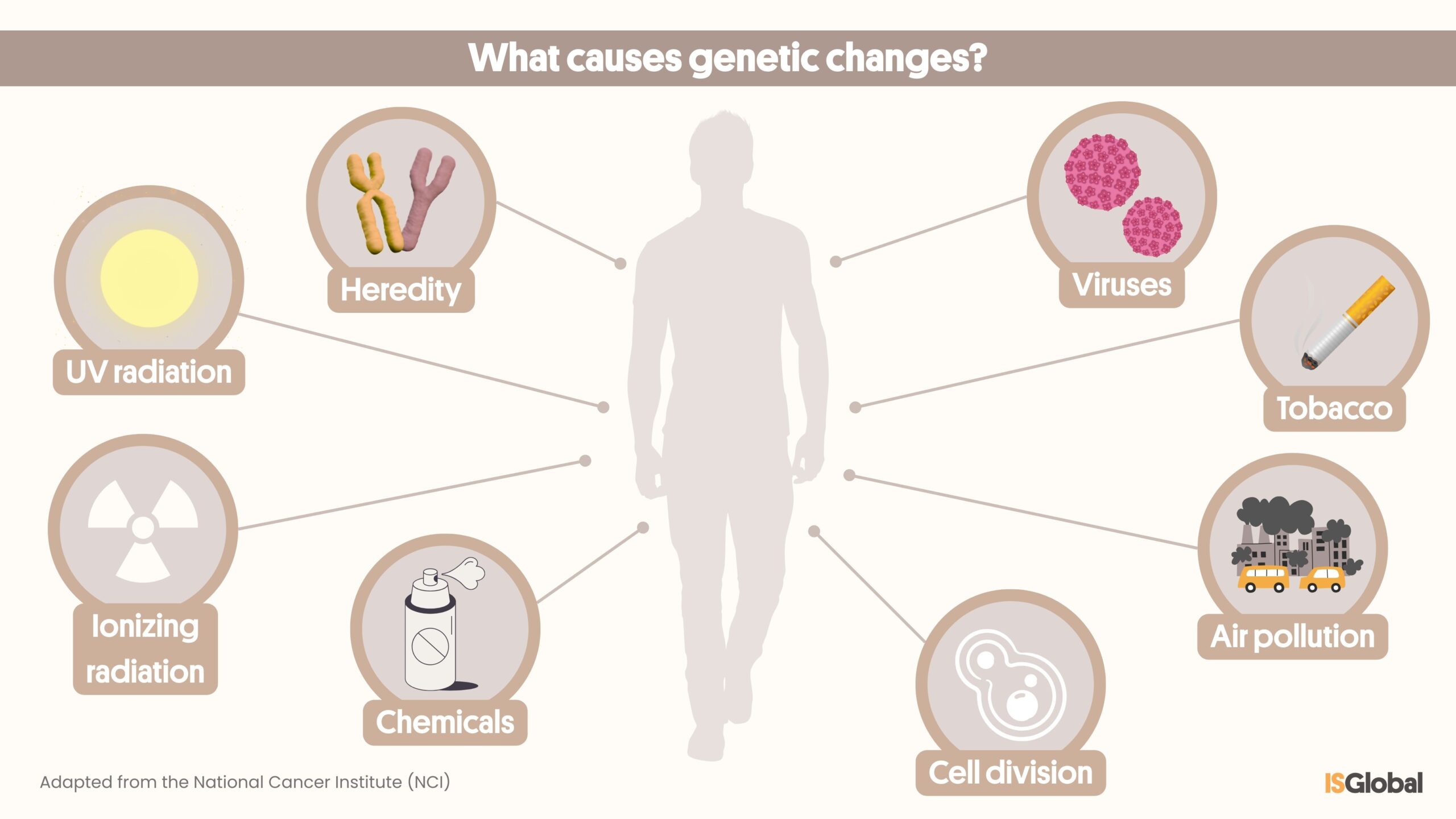
Changes in DNA that can lead to cancer accumulate over time and may arise as a result of exposure to environmental factors, lifestyle habits, biological processes associated with ageing, or random errors during cell division. The interaction between this genetic predisposition and the environment is key to understanding how and why cancer develops. In adults, environmental and lifestyle factors are key determinants, as they can cause changes in genes or in the way they are expressed. According to the WHO, between 30% and up to 50% of cancer cases could be prevented by reducing risk factors. Approximately one third of cancer deaths are due to tobacco use, high body mass index, alcohol consumption, an unbalanced diet and lack of physical activity.
Carcinogens and cancer risk factors
The development of cancer is a complex process influenced by carcinogenic agents, individual risk factors and social and environmental determinants.
Carcinogens
Carcinogens are substances or agents capable of inducing the formation of cancer by causing genetic alterations, chronic inflammation or disruptions in cellular control mechanisms.
| Physical carcinogens | Chemical carcinogens | Biological carcinogens |
| Ultraviolet radiation from the sun or tanning equipment | Substances present in tobacco smoke, the leading individual cause of preventable cancer | Certain infectious agents with oncogenic potential, such as human papillomavirus (cervical cancer), hepatitis B and C viruses (liver cancer) and Helicobacter pylori (gastric cancer) |
| Ionising radiation, for example repeated medical exposures without adequate protection, unnecessary or unjustified | Occupational or environmental exposure to asbestos, arsenic, pesticides and industrial pollutants | |
| Air pollution |
Risk factors
Risk factors are conditions that increase the likelihood of developing cancer, usually by influencing exposure to carcinogens or the body’s response to cellular damage through mechanisms such as chronic inflammation, hormonal changes, or metabolic alterations. These include:
- Alcohol consumption
- Unhealthy diet
- Obesity
- Physical inactivity or sedentary behaviour
- Age and genetic predisposition
These factors are often grouped under the term “lifestyle”; however, this framing can obscure the fact that many cancer risk exposures are not solely the result of individual choice. A substantial proportion of risk comes from involuntary or structurally determined exposures, such as air pollution, occupational hazards or housing conditions.
Moreover, social, economic and environmental factors shape both individual behaviours and exposure to carcinogens, influencing who is more likely to be exposed and to what extent. Social class, residential environments, and access to healthy food, safe spaces for physical activity and healthcare services all play a central role in determining cancer risk at the population level.
In this sense, cancer should be understood as the outcome of a broad and interconnected causal chain, in which modifiable risk factors operate not only at the individual level but also at the population level.
Cancer diagnosis and treatment
Some of the most important tests for the diagnosis of cancer include imaging tests —magnetic resonance imaging, ultrasound scans, X-rays…—, blood and urine tests and biopsy. The latter, often necessary for a definitive diagnosis, involves removing a sample of cells from the tissue for laboratory analysis. Cancer stages are usually indicated using Roman numerals from 0 to IV, with higher numbers indicating more advanced cancer.
The choice of cancer treatment depends on a wide range of factors, such as the type of cancer, the stage, the person’s age and their overall state of health, among others. For this reason, two people with the same type of cancer may receive different treatments. Some of the best-known treatments include surgery, chemotherapy, radiotherapy and immunotherapy. These are not mutually exclusive; that is, more than one treatment may be given at the same time or over the course of managing the disease.
READ MORE
COLLAPSE
- What Is It Like to Experience Cancer in Childhood, Adolescence or Young Adulthood?(ISGlobal, 2025)
- Penile Cancer and Advances in Prognostic Factors: TP53 and HPV(ISGlobal, 2024)
- Air Pollution and Lung Cancer – Protect Our Lungs and Prevent Cancer with Improved Ambient Air Quality Guidelines(ISGlobal, 2024)
- Hepatitis B Immunization: a Strategy for Liver Cancer Prevention in Underserved Migrant Populations(ISGlobal, 2023)
- Cervical Cancer Screening Methods Reevaluated after Seventeen Years(ISGlobal, 2022)
MULTIMEDIA MATERIAL