
Migrant Health
What is migrant health?
The term “migrant health” refers to the set of factors influencing the well-being of people on the move, including international migrants, refugees, asylum seekers and internally displaced persons, before, during and after migration. As migratory experiences are highly diverse, there is no single migrant profile; health can improve or deteriorate depending on the circumstances or specific health determinants.
Why is it important?
According to the WHO, there are currently around one billion migrants worldwide, equivalent to approximately 1 in every 8 people.
These movements occur for many reasons, ranging from fleeing armed conflict or environmental disasters to escaping limited opportunities caused by economic crises. In this context, migrant health is recognised as a central issue for public health, equity and human rights.
Determinant factors before and during migration
Migration can affect people’s health in many different ways, and this variability often begins in the place of origin. Those coming from regions marked by violence, poverty, or unstable humanitarian conditions are often exposed to circumstances that erode their well-being even before their journey begins.
These vulnerabilities may intensify during the migratory journey. Limited access to safe drinking water and adequate food, a lack of sanitation, unsafe vehicles or routes and situations involving violence or exploitation create an environment that threatens physical and mental health. Moreover, prolonged exhaustion and exposure to extreme weather can lead to illness, injury and medical complications and other issues that may rapidly worsen without timely care.
Determinant factors in the destination country
Once in the destination country, barriers to accessing healthcare services often emerge. Linguistic and cultural differences hinder clinical communication, while a lack of information or administrative requirements can delay the search for care, particularly for people in an irregular situation. In addition, stigma and discrimination may erode trust in healthcare institutions.
Living conditions in the destination country are also critical. Insecure housing and unstable employment can make it challenging to maintain a healthy lifestyle or attend medical appointments. Undertaking low-paid work or lacking social protection can also directly impact health.
Mental health and psychosocial well-being
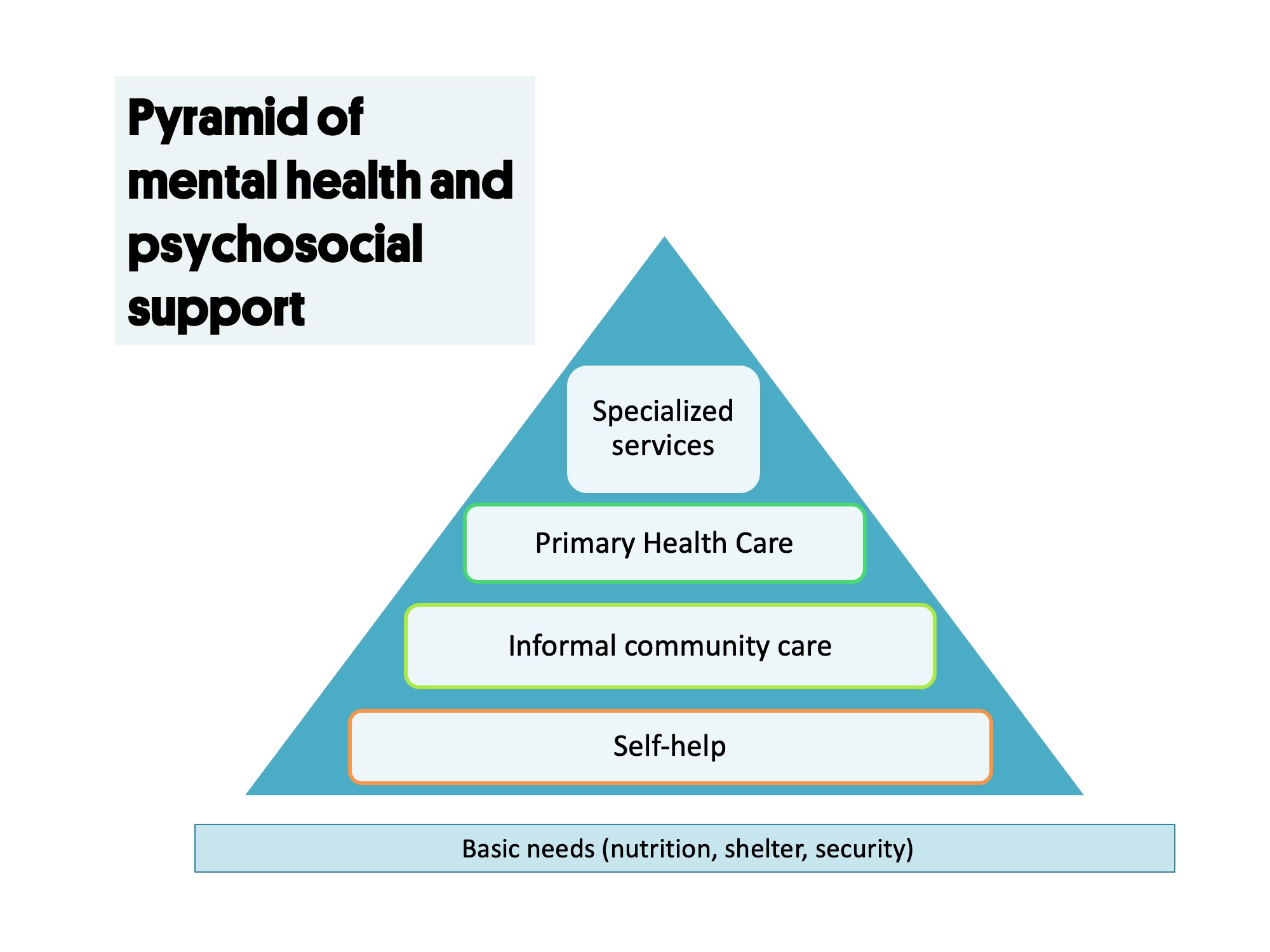
The migration process often has a significant emotional dimension. Separation from family, concern for loved ones remaining in dangerous situations, uncertainty about legal status and difficulty integrating into a new society can all lead to mental health issues, such as anxiety, depression and post-traumatic stress disorder, which often occur together. A lack of mental health services sensitive to migrants’ cultural and linguistic needs further hinders adequate detection and treatment.
Additional vulnerabilities
Some migrant groups are particularly vulnerable and require specialised services. These include individuals with chronic illnesses who require ongoing care that is not always guaranteed, pregnant women, children and unaccompanied minors, who depend on protection systems that are sometimes activated late or inadequately, and people with disabilities, as well as asylum seekers, among others.
A matter of public health and equity
Protecting the health of migrant populations is important not only for individual rights, but also for public and global health. Ensuring equitable access to health systems promotes social cohesion and strengthens public health. Therefore, in a globalised and constantly evolving world, it is essential to incorporate the migration dimension into health policies.
READ MORE
COLLAPSE
- How Does Heat Affect the Health of Migrants Working in Agriculture in Southern Europe?(ISGlobal, 2025)
- MENA Migrant Health Project Gives Migrants a Voice on their Health(ISGlobal, 2023)
- An Electronic Registry System to Improve the Health of the Migrant Population(ISGlobal, 2022)
- New Project Will Study How to Improve Health of Migrant Populations in North Africa and Middle East Through Data Collection and Better Access to Health Services(ISGlobal, 2022)
- The Female Face of Migration in Morocco(ISGlobal, 2022)
- Health Inequities Among Transiting Migrant Populations in North Africa and Yemen(ISGlobal, 2021)
MULTIMEDIA MATERIAL