

Global Health
What is Global Health?
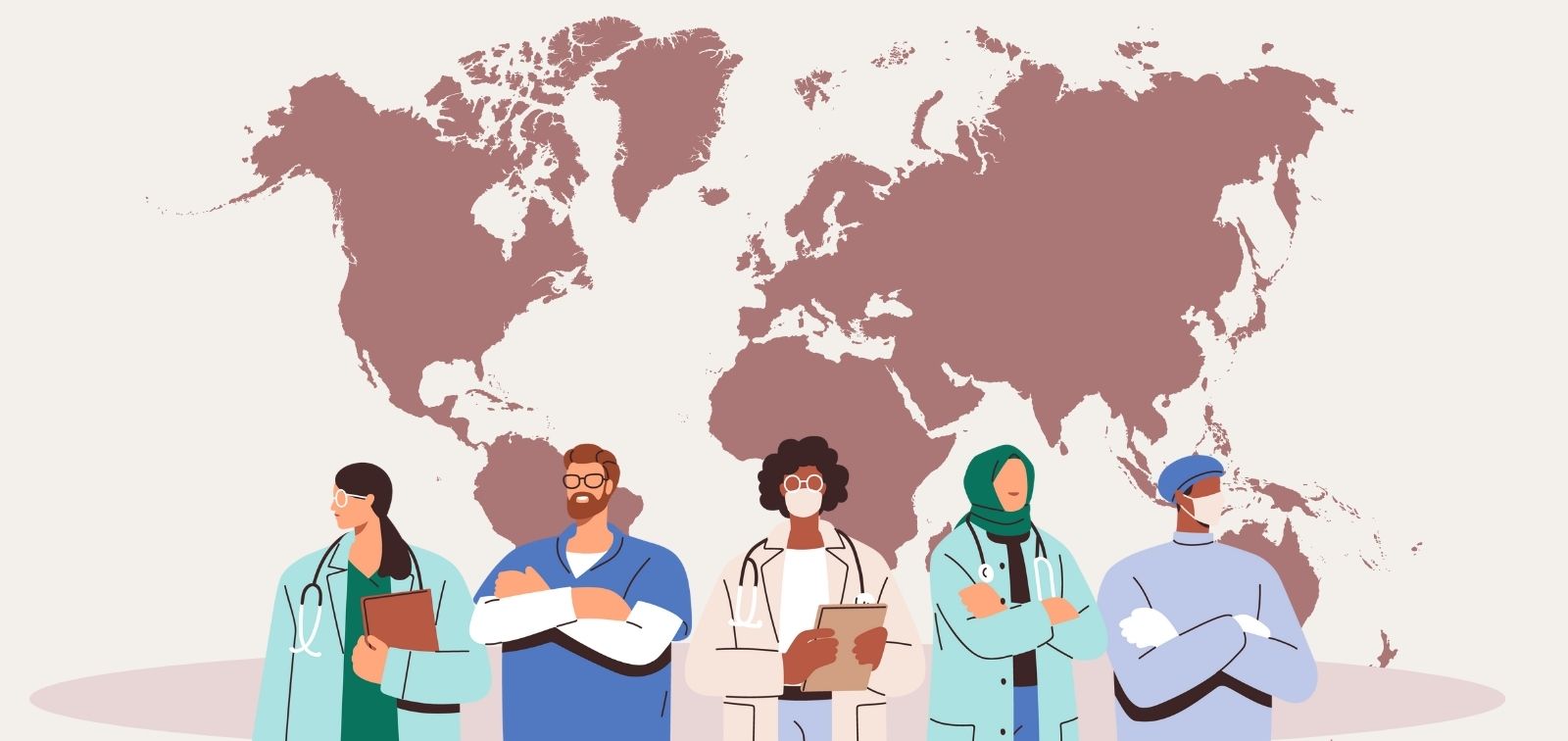
Global health is a discipline that aims to improve the health of all people around the world and to ensure that everyone has the same opportunities to be healthy, regardless of where they live. It addresses health issues that transcend national boundaries and examines how social, economic, and environmental factors influence the health of populations. Its main aim is to study, address, and propose solutions to health problems that affect the world as a whole, promoting equity and global well-being.
Why is it important?
In an increasingly interconnected world, the spread of disease does not stop at national borders. Urban growth, overpopulation, and increased international travel facilitate the rapid spread of pathogens and their vectors. Infectious diseases such as HIV, malaria, COVID-19, Chagas disease, or tuberculosis are examples of current threats that affect multiple regions of the world.
However, global health challenges go beyond the spread of infectious diseases. Drug resistance, such as antibiotic resistance, makes it difficult to treat various diseases. Unhealthy lifestyles, such as physical inactivity, smoking, or unbalanced diets, contribute to the rise of non-communicable diseases. In addition, natural disasters and conflicts create refugee populations that face both immediate and long-term health problems. Climate change and lack of access to food and clean water also pose significant health risks.
In response to these challenges, many countries and organisations are working together to share knowledge and strengthen health responses. Joint action is essential to protect the health of all people and improve health equity around the world.
READ MORE
COLLAPSE
- Global Health Challenges in the 21st Century(ISGlobal, 2019)
MULTIMEDIA MATERIAL