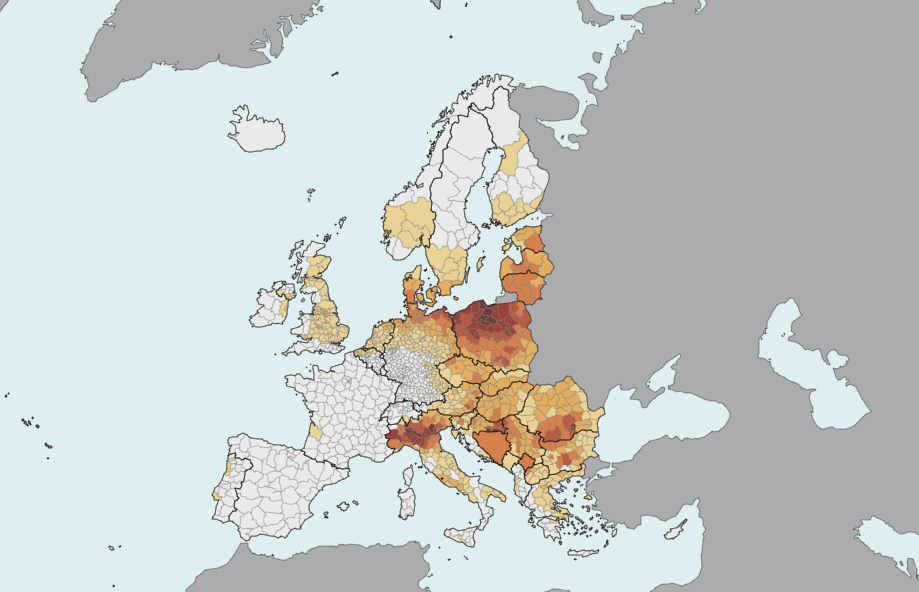

Particulate Matter
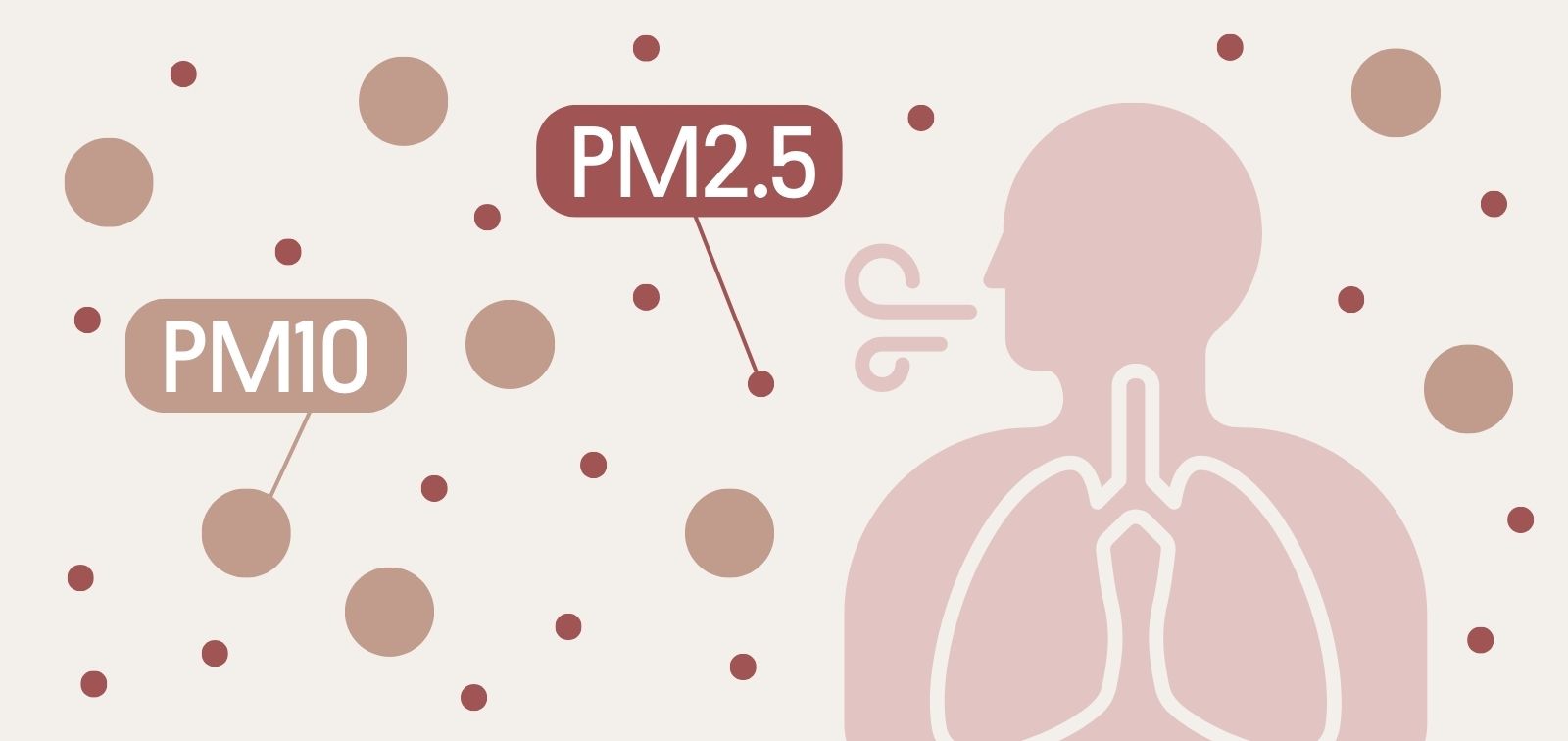
What is particulate matter (PM)?
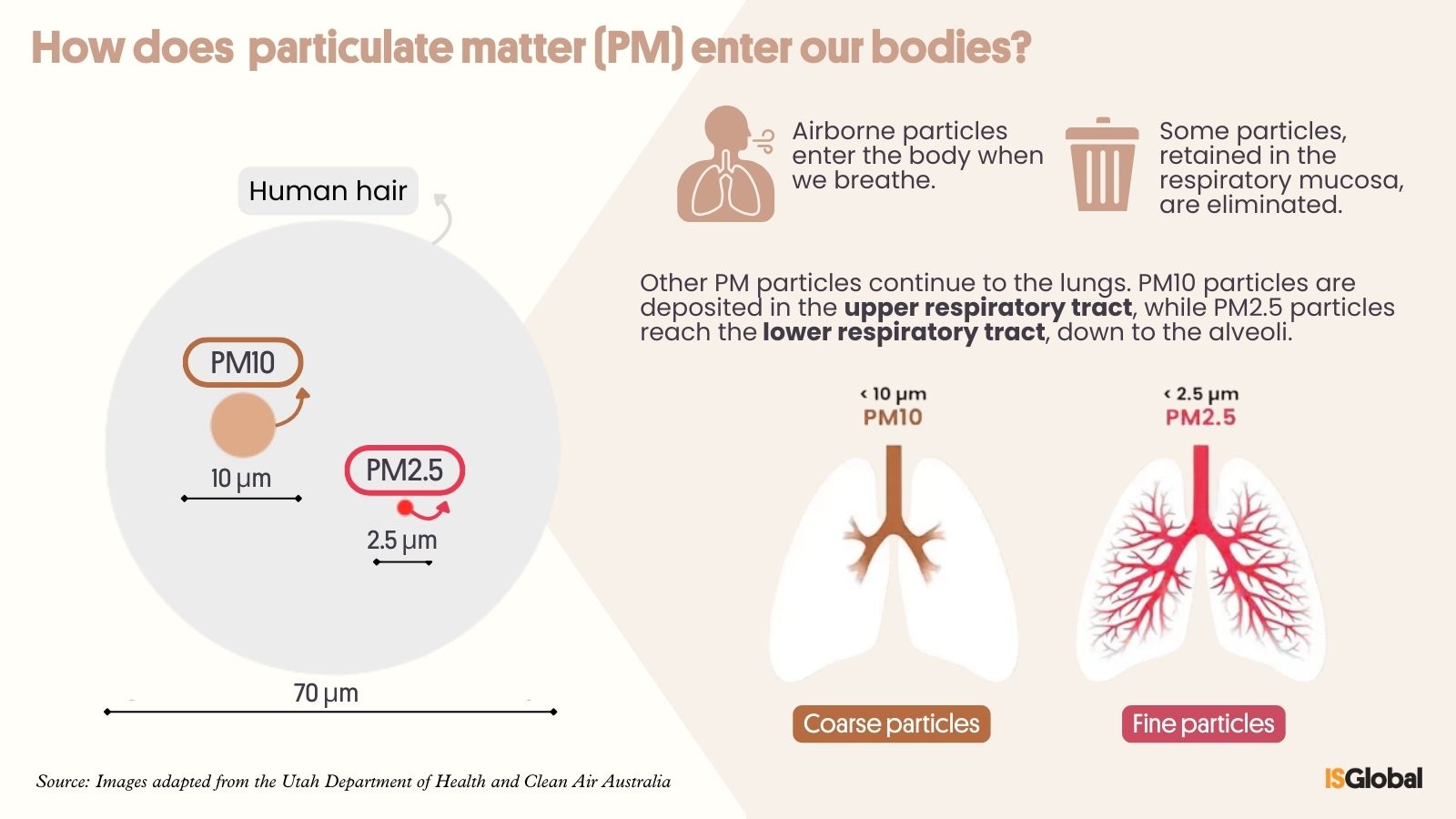
Particulate matter (PM) is a heterogeneous mixture of solid and liquid particles suspended in the air. They are classified according to their diameter, mainly distinguishing PM10, which include particles up to 10 micrometres, and PM2.5, formed by particles up to 2.5 micrometres.
Their chemical composition is highly variable and depends on emission sources and atmospheric processes. It may include carbon from combustion, organic compounds, sulphates, nitrates and ammonium, as well as silicates, aluminates and heavy metals. They may also contain biological material such as pollen, spores or bacteria.
PM10 may originate from both natural and anthropogenic sources. Natural sources include phenomena such as sandstorms, volcanic eruptions, soil erosion and wildfires. Anthropogenic sources, on the other hand, include human activities such as traffic — especially diesel vehicles — power plants, heating systems, mining and industrial processes.
Although PM2.5 may have some natural contributions, they are usually generated by human activities due to their small size and their ability to be produced by combustion processes. In particular, PM2.5 comes from various combustion sources such as cars, lorries, factories, wood burning, agricultural burning, among other activities.
Health effects of PM
Particulate matter is one of the air pollutants with the greatest impact on public health. The main exposure route is inhalation. Coarser particles usually deposit in the upper airways and bronchi, while fine particles reach the pulmonary alveoli. Part of the particles retained in the respiratory mucosa can be eliminated, but a fraction — especially the finer one — can cross the pulmonary barrier or induce systemic inflammatory processes.
Exposure to high concentrations may cause respiratory irritation and aggravate pre-existing diseases such as asthma. However, the main health problem is associated with prolonged exposure (over years) to air pollution, even when levels are moderate or low. Continuous presence of particles in the air has been linked to chronic cardiovascular and respiratory diseases, lung cancer and reduced life expectancy.
The effects are not limited to the respiratory system. There is evidence of influence on fetal development, lung and neurological growth during childhood, as well as on metabolic and neurodegenerative processes in adulthood. In general terms, PM2.5 have a greater health impact due to their deep penetration capacity and their more reactive chemical composition, although the coarse fraction can also generate relevant respiratory inflammation with repeated exposures.
Limits recommended by the World Health Organization
According to WHO recommendations, air should contain on average over the year less than 5 micrograms per cubic metre (µg/m³) of PM2.5 and less than 15 µg/m³ of PM10. It also sets daily values of 15 µg/m³ for PM2.5 and 45 µg/m³ for PM10. Occasional exceedances do not imply an immediate risk, but repeated or prolonged exposure increases the probability of adverse health effects.
The European Union, however, sets higher legal limits. Therefore, a city may comply with current regulations and still exceed the levels recommended for health. European legislation is under review in order to progressively align with WHO values.
READ MORE
COLLAPSE
- A study analyses which lung cancer subtypes are associated with different air pollutants(ISGlobal, 2026)
- Exposure to Particulate Matter during Pregnancy Increases the Risk of Low Birthweight and Preterm Birth(ISGlobal, 2025)
- Exposure to Particulate Matter during Pregnancy Increases the Risk of Low Birthweight and Preterm Birth(ISGlobal, 2025)
- Exposure to Air Pollution in Childhood Is Associated with Reduced Brain Connectivity(ISGlobal, 2025)
- Particulate Matter Takes Away 125,000 Years of Healthy Life from Europe’s Child Population(ISGlobal, 2019)